By Pythias Kamanga – Risk and Compliance Officer
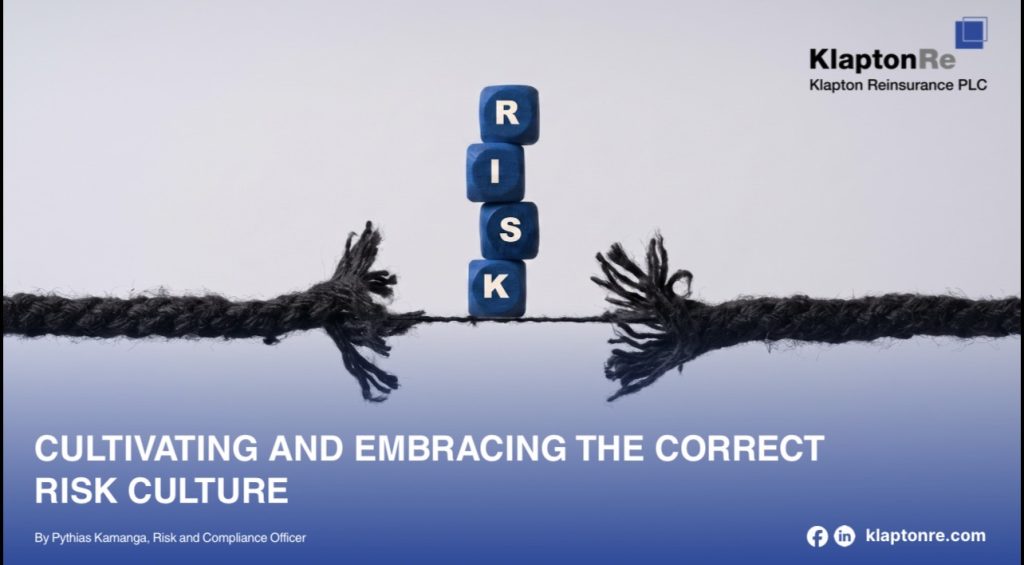
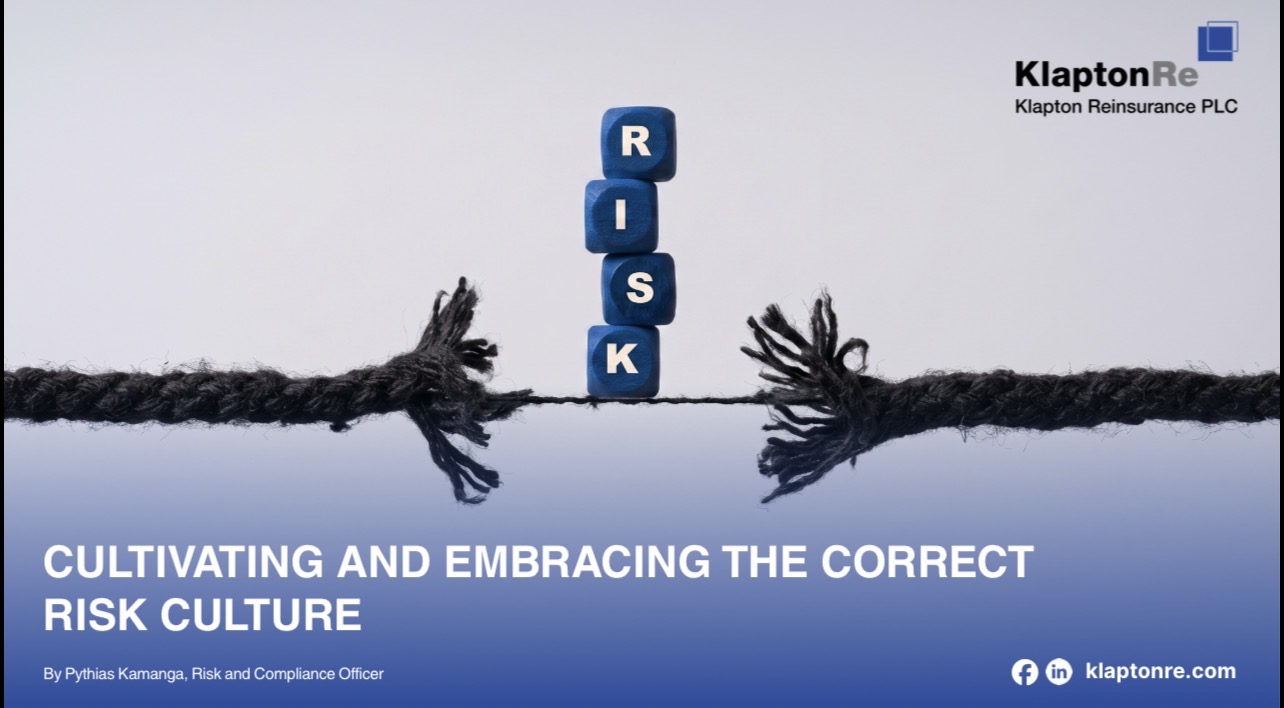
When we hear the word risk management, many of us think about policies, controls, or compliance checklists. In reality, managing risk is not just the job of the Risk or Compliance team, it is something we all do every day through our decisions, actions, and behaviour and thereby translating into what is called “risk culture”. This is what we call risk culture.
Risk culture is simply how we think about, talk about, and manage risk as an organisation. It shows up in how we handle pressure, how we treat rules, and how comfortable we feel speaking up when something doesn’t seem right.
Risk Culture Is About Behaviour, Not Just Rules
Policies and procedures are important, but they only work when people apply them properly. A strong risk culture means:
- Doing the right thing, even when no one is watching
- Raising concerns early instead of hoping problems will go away
- Balancing performance goals with responsible decision‑making
When risk culture is weak, issues are more likely to be hidden, ignored, or discovered too late, often with serious consequences.
Leadership Sets the Example
Risk culture starts at the top. Leaders set expectations through their actions, not just their words. When managers:
- Act with integrity
- Encourage questions and challenge
- Take responsibility for mistakes
…it sends a clear message that managing risk is everyone’s responsibility.
At the same time, risk culture is reinforced daily by supervisors and team leaders. How issues are handled at team level strongly influences how comfortable staff feel raising concerns.
How Risk Culture Connects to Our Daily Work
Risk management isn’t separate from our jobs; it is part of how we work. Whether approving a transaction, serving a customer, managing information, or delivering a project, each decision carries some level of risk.
A strong risk culture helps us:
- Make better, more informed decisions
- Protect our customers, colleagues, and organisation
- Support sustainable growth and long‑term success
When risk is considered early, we reduce surprises and avoid bigger problems later.
Speaking Up Makes Us Stronger
One of the most important parts of a healthy risk culture is speaking up. Raising a concern is not about blame, it is about protecting the organisation and each other.
You should feel confident to:
- Ask questions if something is unclear
- Report mistakes or near‑misses
- Raise ethical or compliance concerns
Issues that are identified early are usually easier and less costly to fix.
Everyone Plays a Role
Building a strong risk culture is a shared responsibility. Each of us contributes by:
- Understanding the risks relevant to our role
- Following policies and procedures
- Escalating concerns when something doesn’t feel right
- Learning from incidents and feedback
Small, consistent actions across the organisation make a big difference.
In Summary
Risk culture is not about avoiding all risk, it’s about managing risk wisely. By being open, accountable, and thoughtful in how we work, we help create a safer, stronger, and more resilient organisation.
Together, we can make risk awareness part of “how we do things around here.”